
Doctor of Science in Physical Therapy
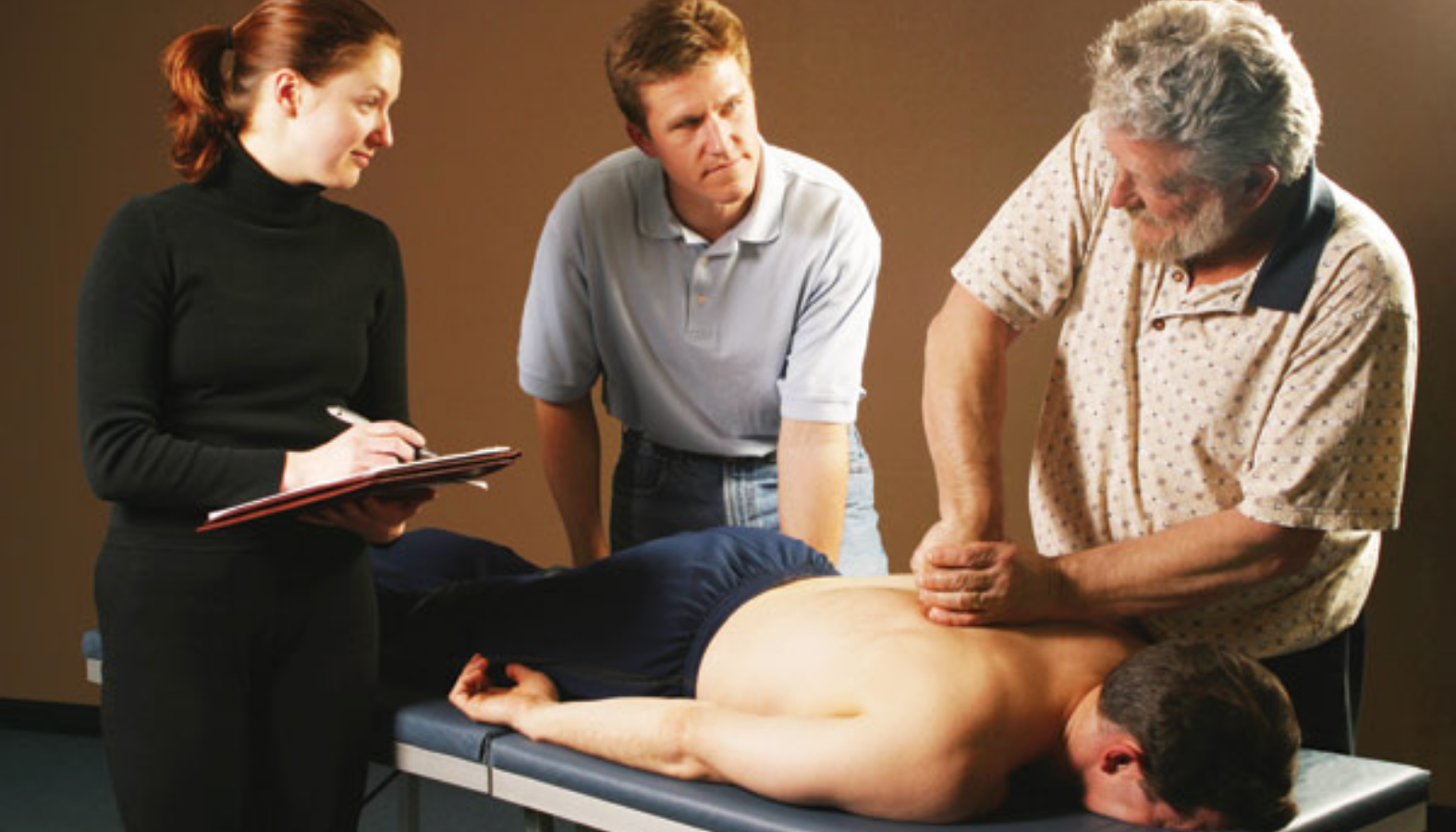
The Doctor of Science in Physical Therapy program is designed to enhance physical therapy practice and clinical leadership to physical therapists with bachelor, master and/or doctorate degrees. Through our program, you will become a certified manipulative therapist and be a specialist orthopedic manual therapist. To provide you with these skills we have partnered with ASPIRE OMT’s world-renowned therapist, Erl Pettman. Many of our graduates are faculty members at universities in the United States and Canada. Join our program today and become a master clinician, teacher and researcher.
Program Composition - Main DScPT Track (Curriculum Outline)
Demonstrate competency or completion of a minimum of 64 credits of course work from the following areas:
Core I - Research Curriculum
The Research Curriculum serves as an essential outcome component to augment the professional development and new learning that occurs in the DScPT curriculum. The student takes 15 credits related to research and evidence-based practice in the DScPT curriculum. In the first year of the program, students take their research classes to prepare them to begin their dissertation project. At the end of the first year of the program they are expected to develop and propose a valid research question to study and are assigned a dissertation project chair and committee. The standards for the student to move forward with their research is an original research idea of publishable quality. Throughout the second and third year of the program, they are expected to work on their independent dissertation project under the direction of the chair. Students are required to orally defend their dissertation project prior to conferral of the degree. The finished project will be submitted for publication by the student and the chair.
-
Clinical Research
-
Advanced Topics of Clinical Research
-
Applications in Clinical Research
-
Evidenced Based Orthopedic Clinical Practice
- Dissertation Project
Core II - Foundation Curriculum
Core III - Manual Therapy Curriculum
-
NAIOMT Level I Introduction: Localizing and evaluating the site and source of the pain
-
NAIOMT Level II Upper Quadrant: Detailed biomechanical assessment and manual therapy techniques of the cervical and thoracic spine, shoulder girdle, elbow, wrist and hand
-
NAIOMT Level II Lower Quadrant: Detailed biomechanical assessment and manual therapy techniques of the lumbar and lower thoracic spine, hip, knee, ankle and foot
-
NAIOMT Level III Upper Quadrant: Advanced biomechanical assessment and skilled manual interventions to the upper and lower cervical spine, temporal mandibular joint, thoracic spine, shoulder, elbow, wrist and hand
-
NAIOMT Level III Lower Quadrant: Advanced assessment and treatment as noted above in the Level III upper quadrant course, and includes the lumbar and lower thoracic spine, pelvis and sacroiliac joints, hip, knee, ankle and foot
-
NAIOMT Level IV Spinal Manipulation: High-velocity, low-amplitude (thrust) techniques are taught addressing the spine, pelvic girdle and ribs.
-
NAIOMT Supervised Clinical Practice: Student will need to complete a minimum of 60 hours of 1:3 clinical supervision by completion of the degree
-
NAIOMT Thoracic Spine: focus on the thoracic region, spinal and costal joints. It will include the diagnosis, biomechanical examinations and the manual physical therapy treatment of the thoracic and costal articulations with mobilization and manipulation (thrust).
-
NAIOMT Advanced Clinical Reasoning: Teaches the integration of the data collected from the subjective examination (history and systems review) and the selective tissue tension examination (tests and measures from the scanning examination) to obtain a rational differential diagnosis.
Program Synopsis: DScPT
1st Year:
| Semester | Credits |
|---|---|
| Fall | 10 |
| Spring | 9 |
| Summer | 6 |
2nd Year:
| Semester | Credits |
|---|---|
| Fall | 9 |
| Spring | 10 |
| Summer | 2 |
3rd Year:
| Semester | Credits |
|---|---|
| Fall | 9 |
| Spring | 9 |
| Summer |
None (time used for Dissertation Project and Oral Practical Exams) |