
Learn with us what it means to
be a World Changer!
World Changers Made Here.
School of Graduate Studies
Administration Building
4150 Administration Dr.
graduate@andrews.edu
(269) 471-7771
Administration Building
4150 Administration Dr.
graduate@andrews.edu
(269) 471-7771

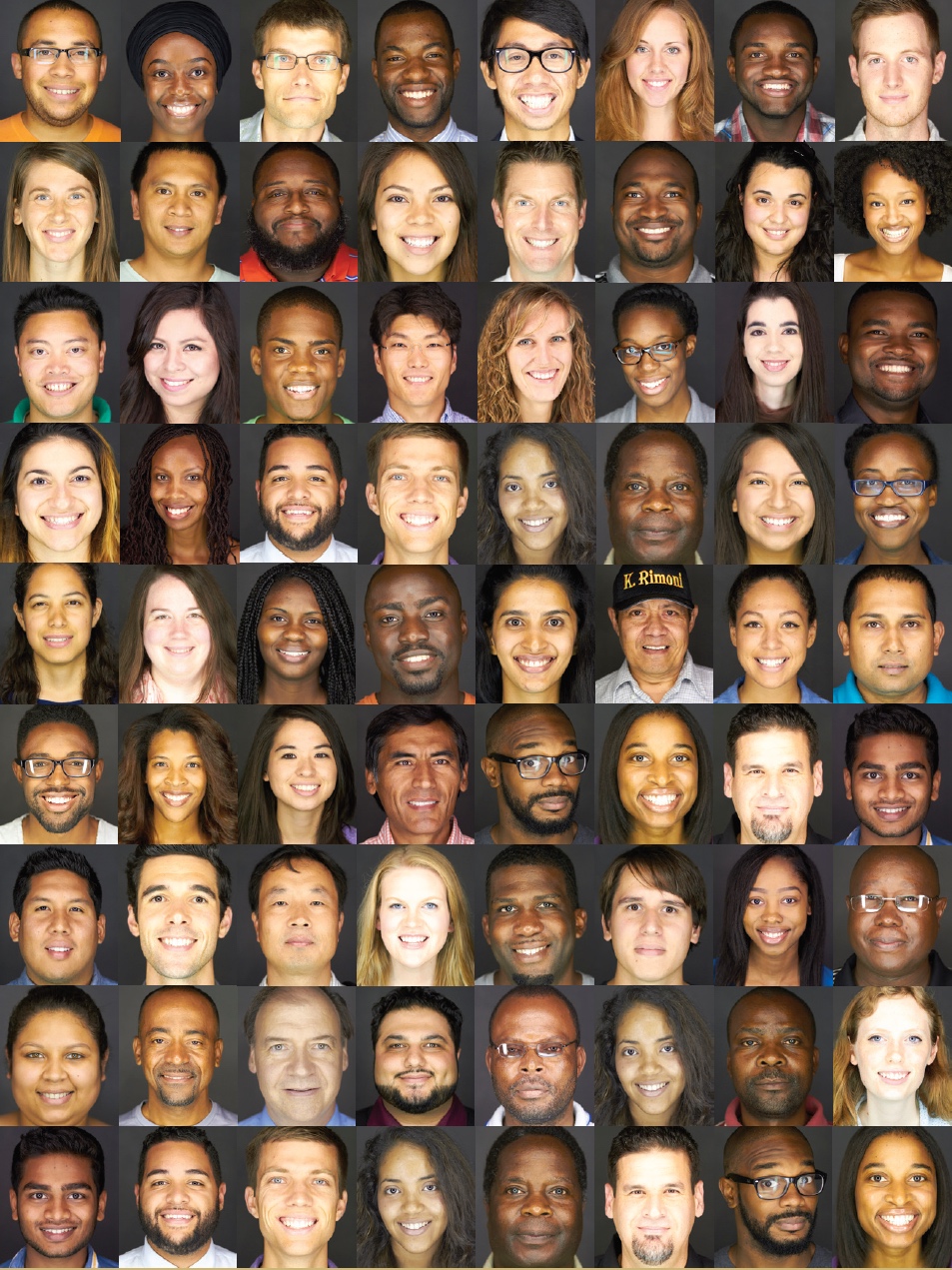
World changers use their talents, resources, passions and skills to make the world around them a better place. No matter your major, your nationality, your background or your interests, at Andrews we believe you can make a difference in this world.
Watch Our Video
Andrews Invests in you!
The School of Graduate Studies offers competitive scholarships to qualified domestic and international students applying for admission. A tuition-reduction (up to 50%) scholarship based on GRE or GMAT scores and admission GPA is available to new master's and doctoral students. More information is available on our Student Financial Services website.


Other types of financial aid available.
Andrews University also offers a program based tuition reduction scholarship. The amount reduction awarded is based in which reduction is higher: the GRE/GMAT Scholarship or the Program Tuition Reduction scholarship (these awards are not combined)
LIFE AT ANDREWS!

Life in Michiana
Get to know our beautiful area and fall in love with Michigan and Indiana.

Campus & Student Life
We are committed to your personal growth and success.

Research
Discover how our faculty and students nurtures academic excellence at Andrews.

Worship with us!
Join us! Live video stream on Saturdays at pmchurch.org

Celebrate Arts!
Our Howard Performing Arts Center hosts world-renowned Christian performers.

Become fully alive!
Committed to make Andrews University the healthiest university in the world.

Contact us!
Our team is here to help you you find the right academic program and with your application and admission process.
Let's talk! Give us a call or send an email!